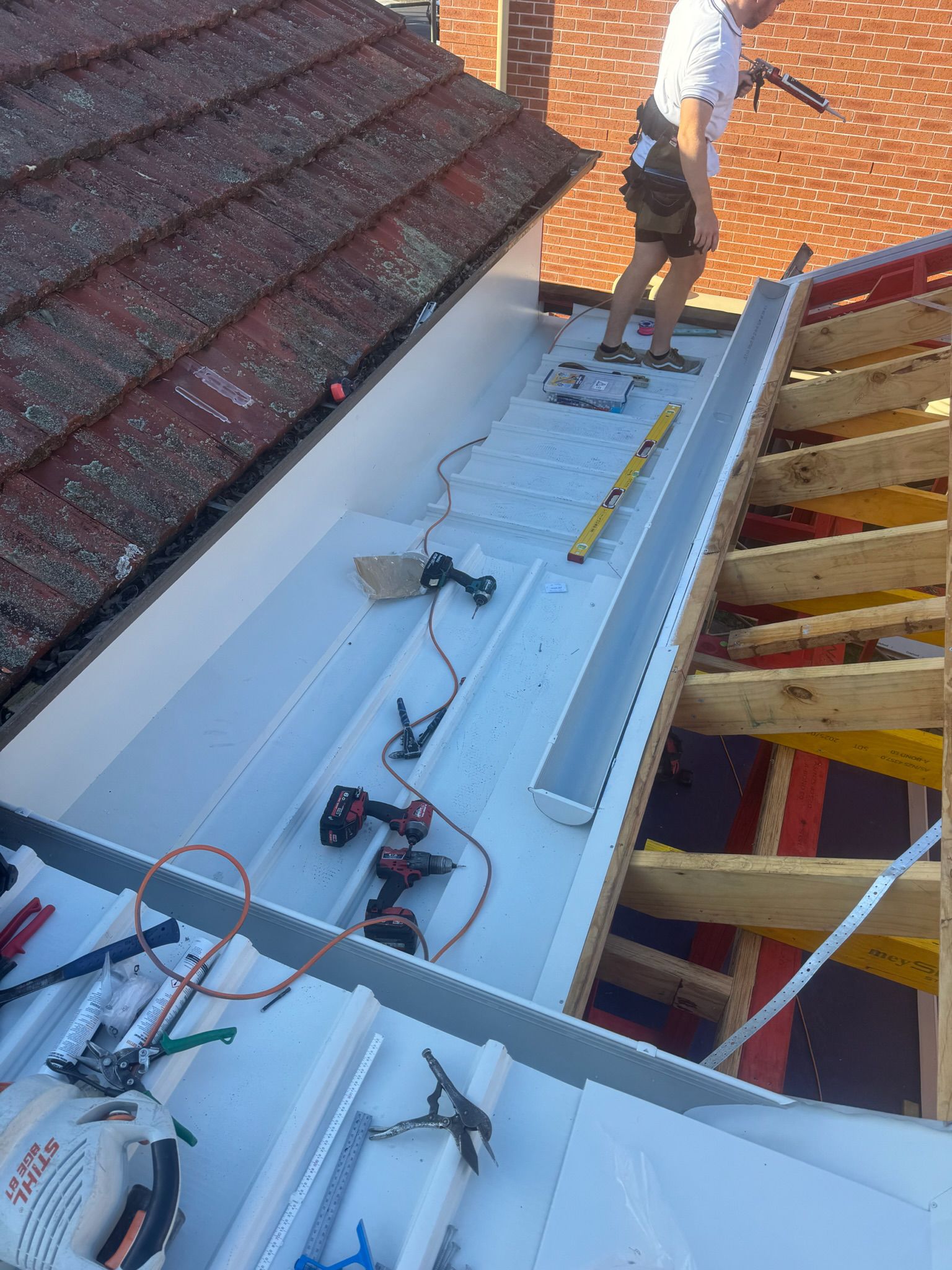
Replacing a Tile Roof with a Metal Roof
What you need to know when replacing a tile roof with a metal roof
Switching from a tile roof to metal is like trading in a heavy, high-maintenance vintage car for a sleek, modern EV. It’s a massive upgrade in terms of longevity and performance, but the transition involves more than just swapping materials.
Here is what you actually need to know before the hammers start swinging.
1. Weight and Structural Integrity
One of the biggest perks of metal is that it’s significantly lighter than tile. While a tile roof can weigh between 35 to 50 kg per square meter, metal (like Colorbond or standing seam) is roughly 5 to 10 kg.
The Good News: Your home’s frame will suddenly have a lot less "stress" to carry.
The Catch: Because tiles are heavy, they are held down by gravity. Metal sheets are light and act like sails in high winds. Your installer must ensure the existing roof batten tie-downs are reinforced to meet modern wind-loading standards.
2. The "Thermal Bridge" and Insulation
Tiles have a natural thermal mass—they take a long time to heat up and a long time to cool down. Metal reflects heat, but it also transfers it quickly.
To keep your home comfortable, you must prioritise:
Acoustic/Thermal Blanket: Often called "Anticon," this is a foil-faced glasswool blanket laid directly under the metal sheets. It prevents condensation and kills the sound of rain.
Ceiling Batts: Ensure your ceiling insulation is topped up (R-value of 4.1 or higher is standard for most climates).
3. The Noise Factor
"Isn't it going to sound like a tin shed when it rains?" This is the #1 question homeowners ask.
The answer is no, provided it’s installed correctly. With the insulation blanket mentioned above and your existing ceiling cavity, the sound of rain is often described as a soothing "white noise" rather than a deafening clatter. In fact, many people find it quieter than the occasional "crack" of tiles expanding in the sun.
4. Pitch and Drainage
Metal roofs can be installed on much flatter pitches than tiles. If you have a section of your home with a very low slope where tiles used to leak, metal is your best friend.
However, you’ll need to ensure your gutters and downpipes are sized correctly. Metal sheds water much faster than porous tiles; during a heavy downpour, your old gutter system might struggle to keep up with the "waterfall" effect.
Comparison at a Glance
Feature | Tile Roof | Metal Roof |
Lifespan | 20–30 years (membranes fail) | 50+ years |
Maintenance | High (cracked tiles, moss) | Low (occasional wash) |
Weight | Very Heavy | Very Light |
Fire Rating | Good | Excellent (Non-combustible) |
Solar Pairing | Requires heavy brackets | Extremely easy to mount |
5. Council and Strata
Before you fall in love with a specific color, check your local regulations. Some heritage zones or specific estates have "covenants" that require tile. Getting a permit for a material change is usually straightforward, but skipping this step can lead to expensive fines.
Pro Tip: Look for "Cool Roof" colors. Lighter shades can reduce your cooling energy costs by up to 20% compared to dark tiles.
Want to know more?