Protecting Your Biggest Investment: Why Roof Inspections Matter
Protecting Your Biggest Investment: Why Roof Inspections Matter
Your roof is your home’s first line of defence against the elements, yet it is often the most neglected part of property maintenance. Because it’s "out of sight, out of mind," small issues can quietly escalate into massive, expensive disasters.
Regularly checking your roof, ideally twice a year (in spring and autumn) and after any major storm, is the best way to ensure your home stays safe, dry, and energy-efficient.
Why You Can’t Afford to Skip Roof Inspections
Prevent Costly Repairs: A $50 fix for a cracked tile today can prevent a costly repair or re-roof involving timber replacement and replastering a few seasons later.
Extend Lifespan: Routine maintenance can add years or even decades to your roof’s life, delaying a complete (and very expensive) replacement.
Energy Efficiency: Damaged roofs or poor insulation force your heating and cooling systems to work harder, driving up your electricity bills.
Insurance Compliance: Many insurers require evidence of regular maintenance; without it, a claim for storm damage could be reduced or denied.
Safety and Health: Undetected leaks lead to mould and mildew, which compromise indoor air quality and can cause structural rot.
What to Look For: Your Roof Health Checklist
You can spot many warning signs from the safety of the ground using binoculars or by checking the interior of your home.
1. External Warning Signs
Damaged Materials: Look for cracked, curled, or missing tiles and shingles.
Sagging Sections: A sagging roof-line is a "red flag" for serious structural damage or water-saturated materials.
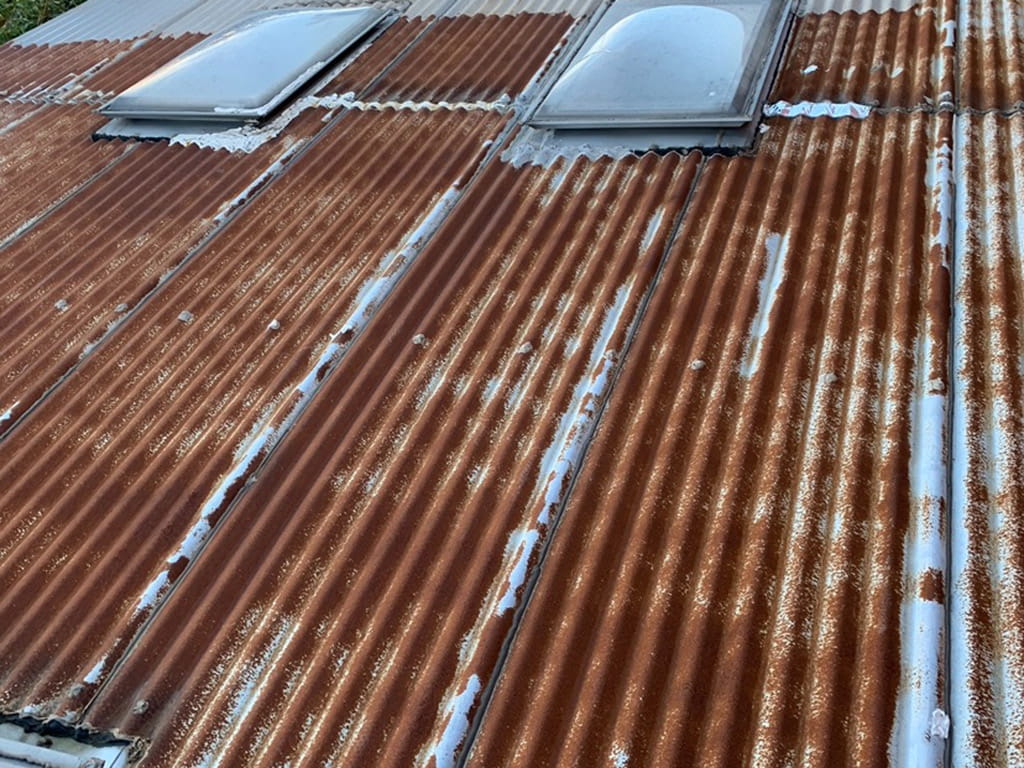
Debris and Growth: Accumulations of leaves, moss, or algae trap moisture against the roof, leading to rot and corrosion.
Gutter Clues: Standing water/holding water or "heavy" sagging gutters points to an improper pitch, which is pulling the gutters away from the roof-line. This gap then enables water to pour down the external walls and directly into your foundation or crawlspace.
Hidden Wood Rot: While you're up there, look at the boards the gutters are attached to (the fascia). If they look soft, damp, or have peeling paint. This can mean your roof's drainage system has failed. Water is likely getting behind the gutter and soaking into the structural wood of your home.
2. Internal Warning Signs
Water Stains: Brown, yellow, or dark spots on your ceiling or walls are clear signs of an active leak.
Daylight Peeking Through: If you go into your attic during the day and see beams of light coming through the roof deck, you have gaps that need immediate attention.
Musty Odours: A persistent damp smell often indicates hidden mould or wet insulation.
When to Call a Professional Roofer
While DIY ground checks are helpful, a licensed roofing professional has the training and tools, to find leaks that haven't even reached your ceiling yet.
If your roof is over 20 years old, or if you notice any of the "red flags" above, it’s time to book a professional assessment.
If you are thinking about re-roofing either a tile or metal roof that's when Top Sheet Metal Roofing can help.